From LinkedIn
Focus
Imagine you are the Chief of the Fire Brigade in your city. It is 10 a.m. on a Monday morning when you receive an emergency call: the school is on fire.
Shortly afterwards, another call comes in: the city stadium is burning too. You have a team of four firefighters and one fire truck. What do you do?
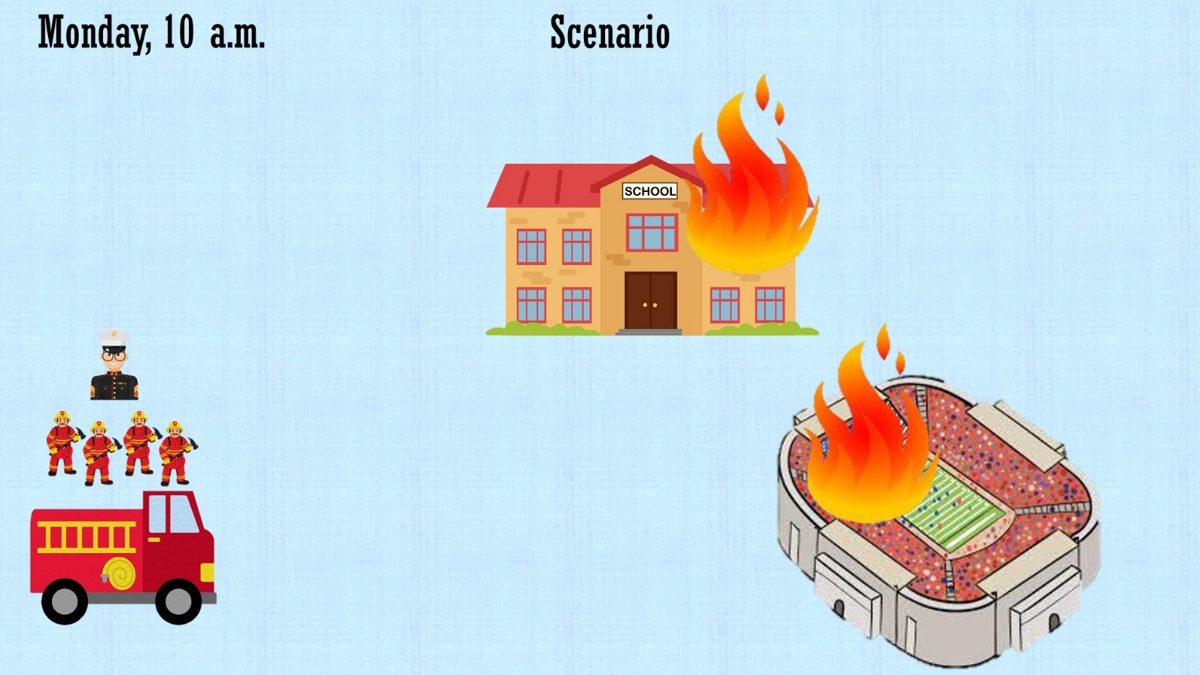
You have three options.
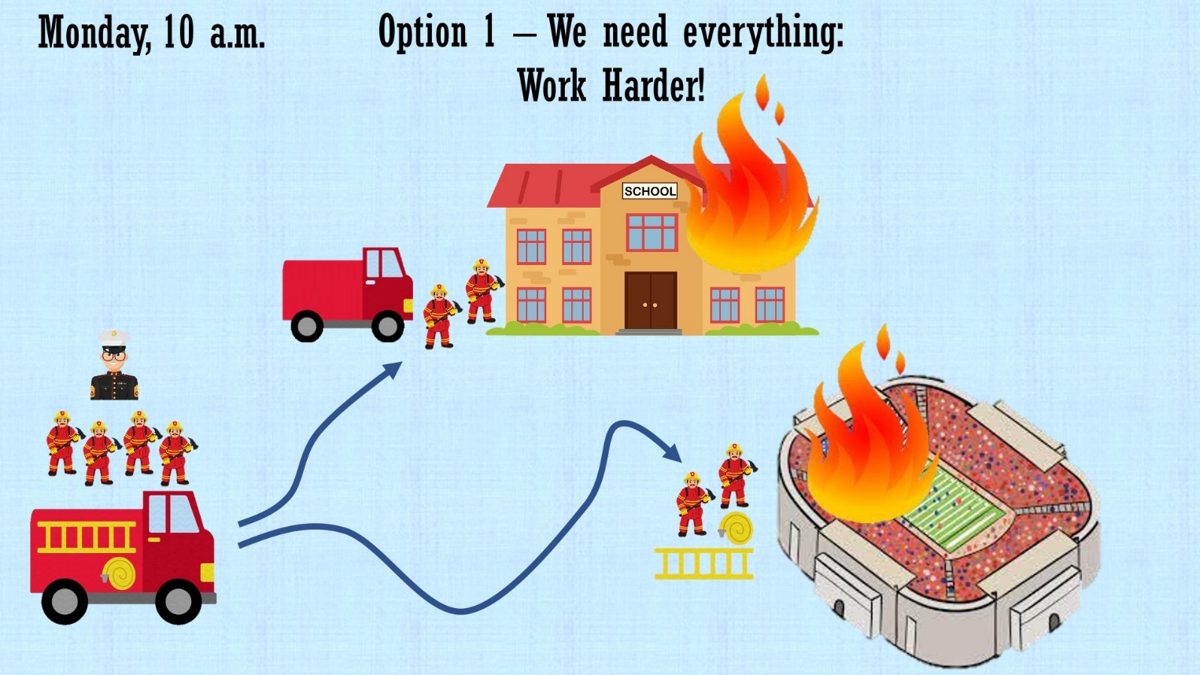
Option 1. You can choose to save both the school and the stadium, but this divides your team's resources and reduces their effectiveness. You might send two firefighters to the stadium with the hose and the ladder, while the other two go to the school with the fire truck (without the hose and the ladder!). Good luck.
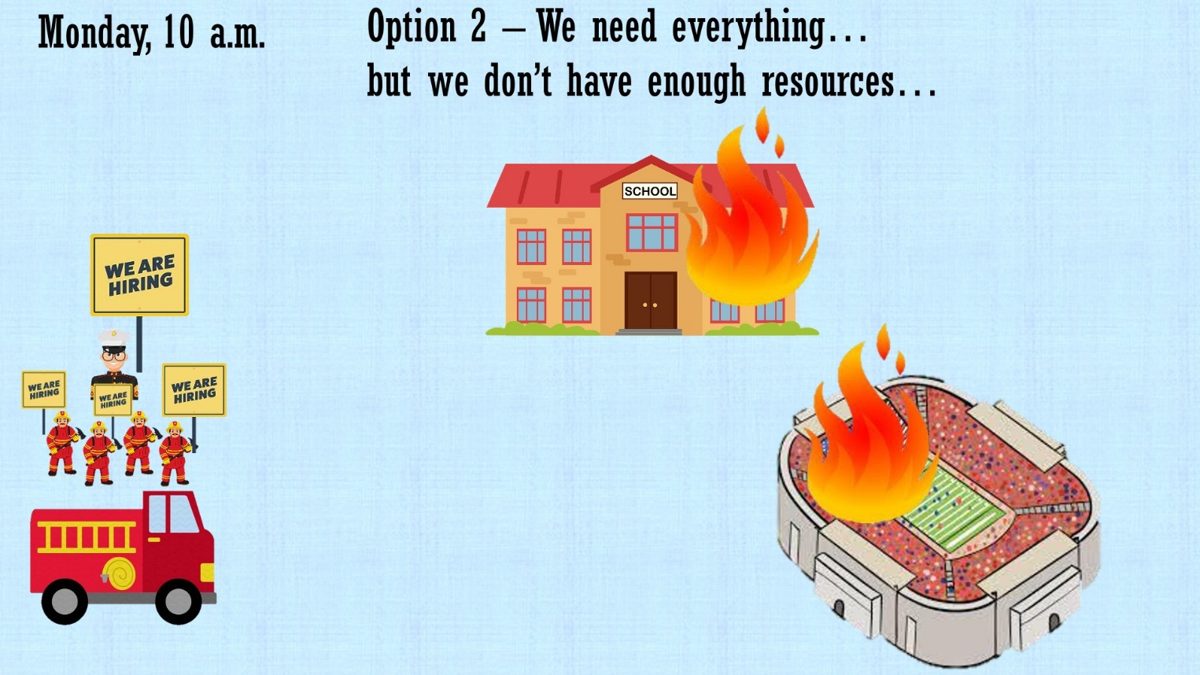
Option 2. You can decide to quickly hire and train more firefighters to grow your team. Unfortunately, you would be making a fundamental mistake: solving the wrong problem. By the time the new firefighters are operational, the school and the stadium won't be there anymore.
Option 3. You can identify the right problem to solve. Focus all your resources on the school, the most critical emergency. Take immediate action: put on your helmet and jump on the truck to help your team save the children. Only once the children are safe do you turn your attention to the stadium.
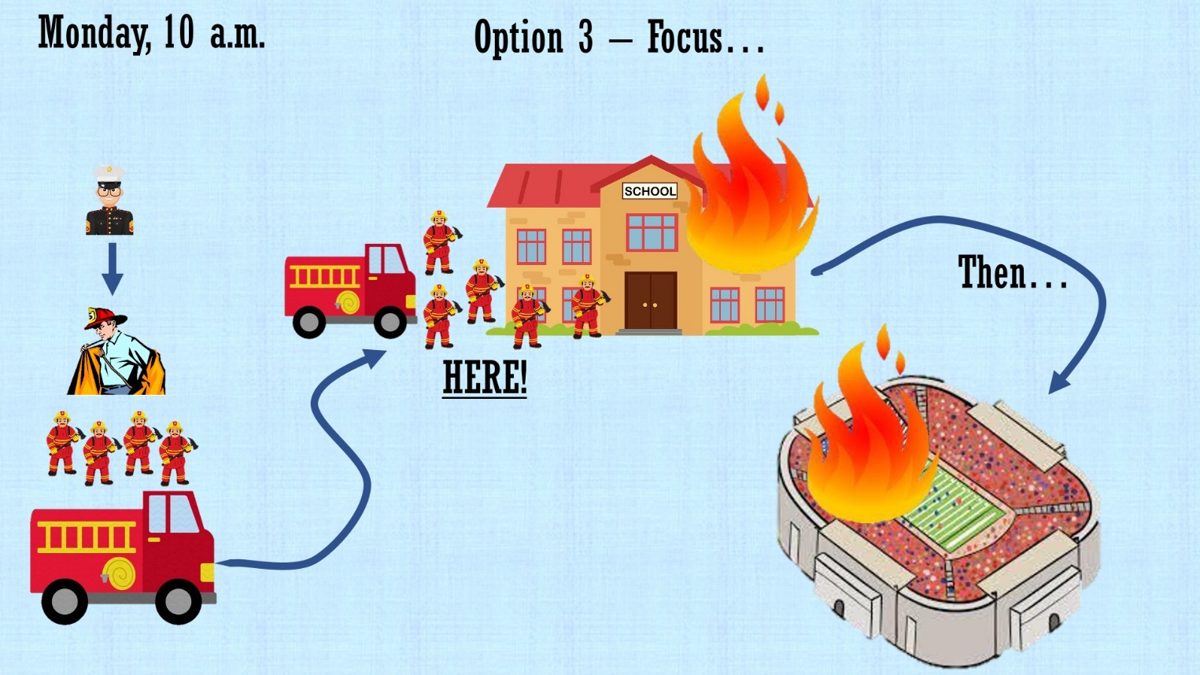
Prioritising is not merely assigning a number to each item on a list and then starting everything at once because "it's all important". It is about identifying THE most critical issue and directing all available resources and effort to address it effectively.
If you believe you do not have the "luxury" of prioritising, you will ask your team to work on all emergencies at once, and this could lead to disastrous outcomes.
It's precisely when you think you can't afford to prioritise that you need to prioritise.
When resources are limited, it becomes even more crucial to focus on the right problem and solve it first.
I once read a phrase, I think by Sean Robinson, that says: "The most challenging task is to understand the right problem to solve."