From LinkedIn
Lean, Six Sigma or Theory of Constraints?
I see some confusion and misunderstanding about how Lean, Six Sigma and the Theory of Constraints work.
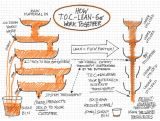
In this sketch I summarise what these "philosophies" try to achieve and where they should be applied within your "system".
In a nutshell:
- T.O.C.: there is one bottleneck (one and only one) in every system. Find it, enlarge it as much as possible and you will increase the overall throughput of your system, using the same resources!
- Lean: make it flow! Lean is about reducing the time between order and cash by eliminating all non-value-added activities.
- Six Sigma: reduce your process variability by setting the inputs properly (ideally as the result of a DOE) and keeping them under control (the inputs, not the outputs!). The result is a drastic reduction in scrap.
(I personally think "Lean Six Sigma" doesn't make much sense: the first focuses on the whole system's ability to flow smoothly, the second on reducing the variability of a specific process within the system.)
Where can you apply these philosophies? Manufacturing, services… wherever you want to make a lot of money and smash the competition!
In which order should you implement them? I personally think they should be implemented in the order I've written them:
- Theory of Constraints
- Lean
- Six Sigma
What do you think?
Isacco Bettin
Originally published on LinkedIn